
Attendance Awareness Month may be ending, but our commitment to student attendance isn't. Supporting attendance is year-round work built on relationships, early intervention, problem-solving & partnership with families. If attendance becomes challenging at any point this year, reach out to your school. We want to work with you. Every month, Your Presence Matters.
There’s still time to recognize an amazing teacher! Nominations for the 26-27 Golden Apple Award are open through Oct. 15. Celebrate a PreK-5th grade teacher who inspires, supports, & makes a difference for students! goldenappleofrockford.com/golden-apple-teacher-awards/nominate/


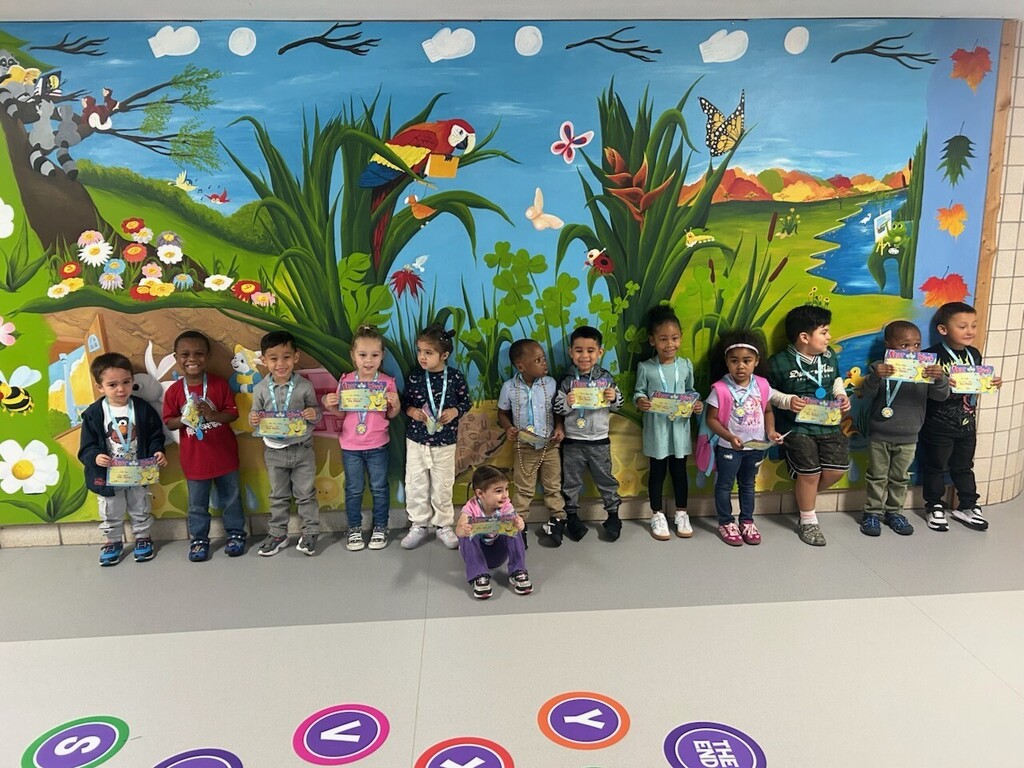
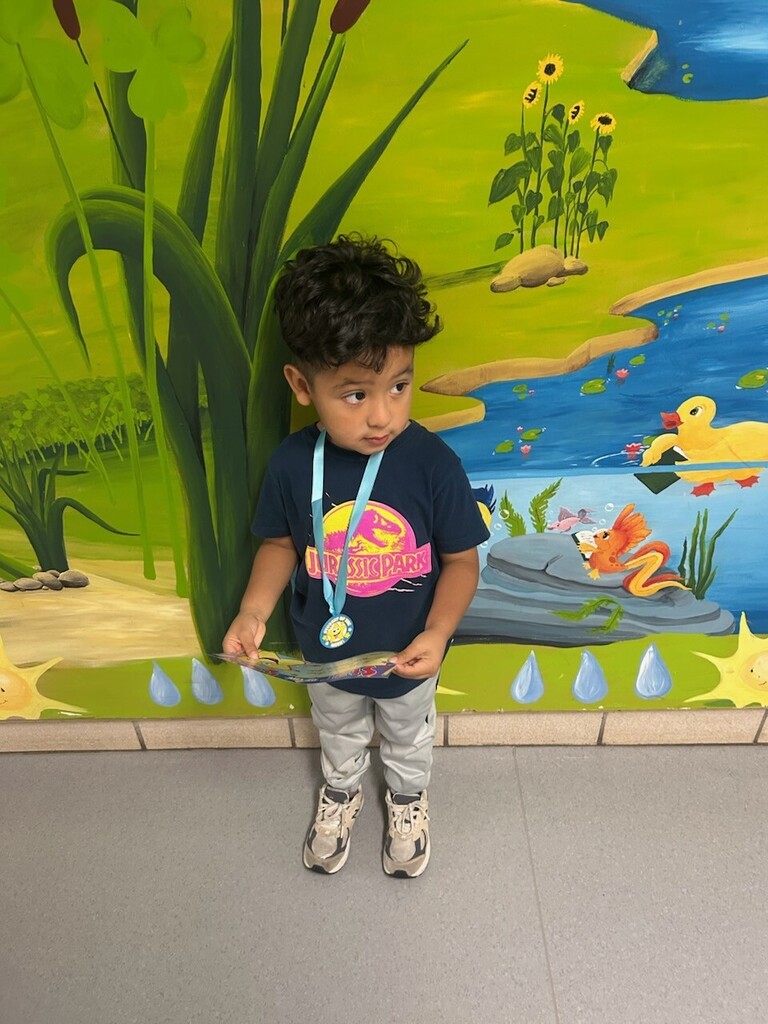
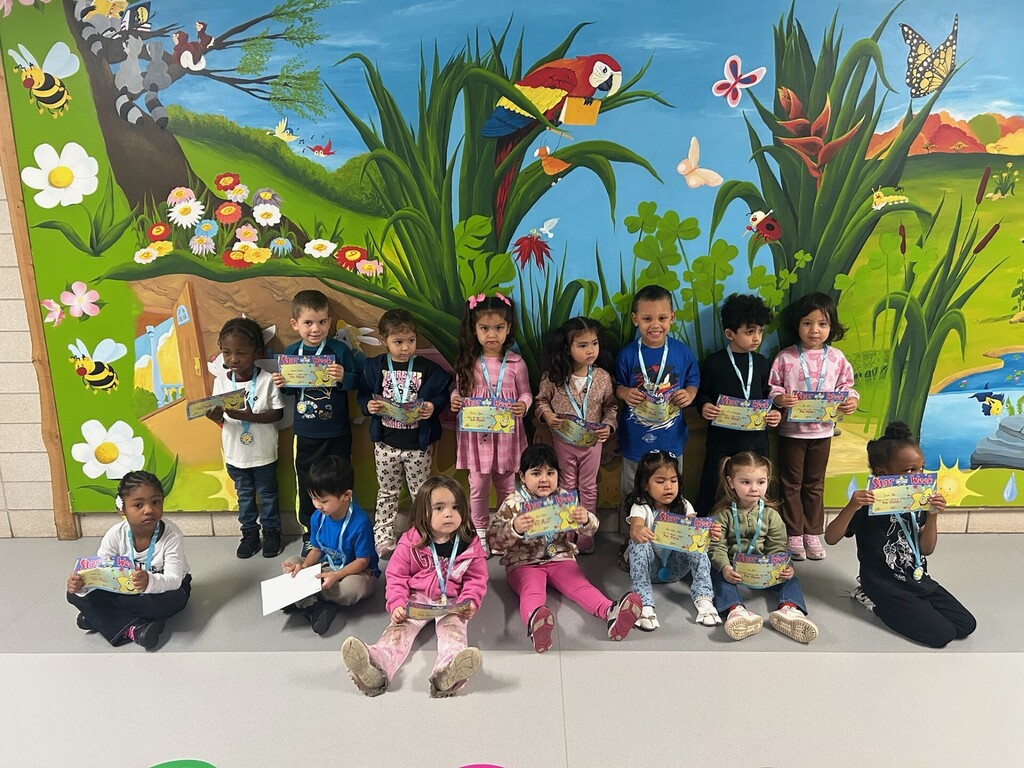
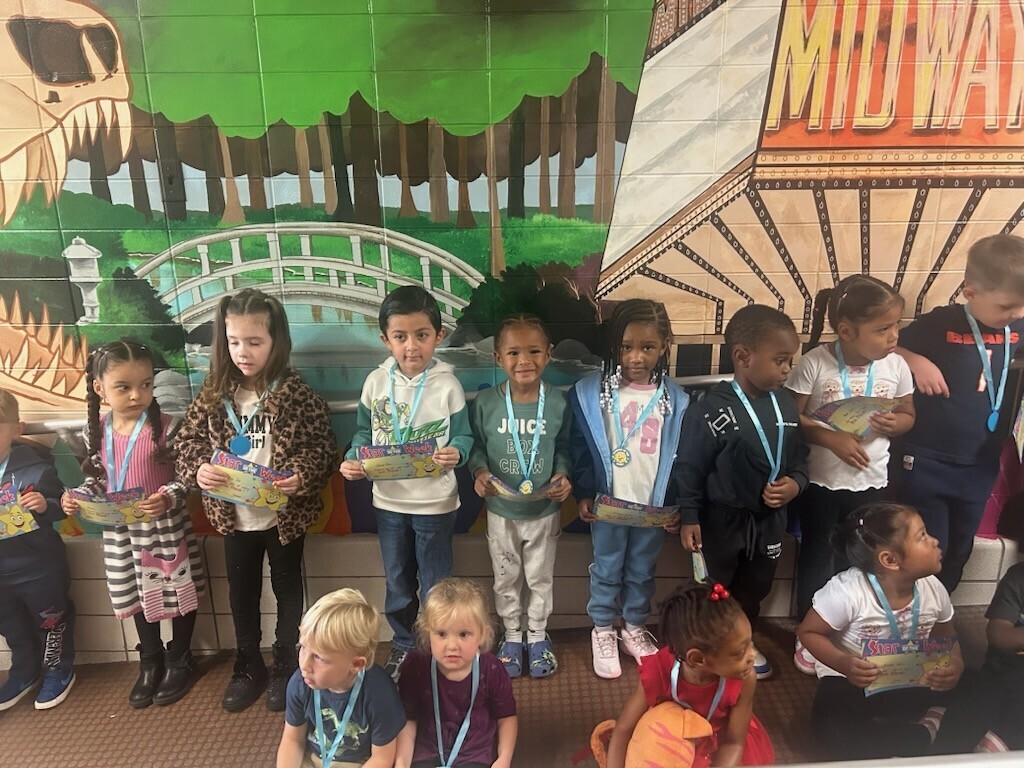
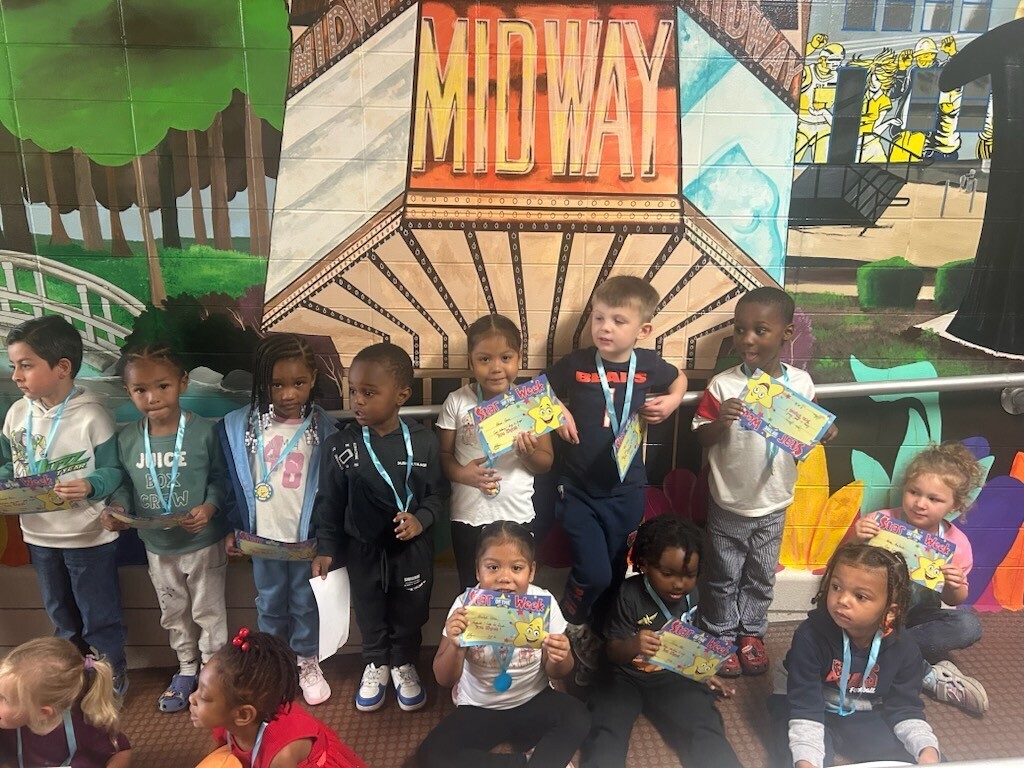
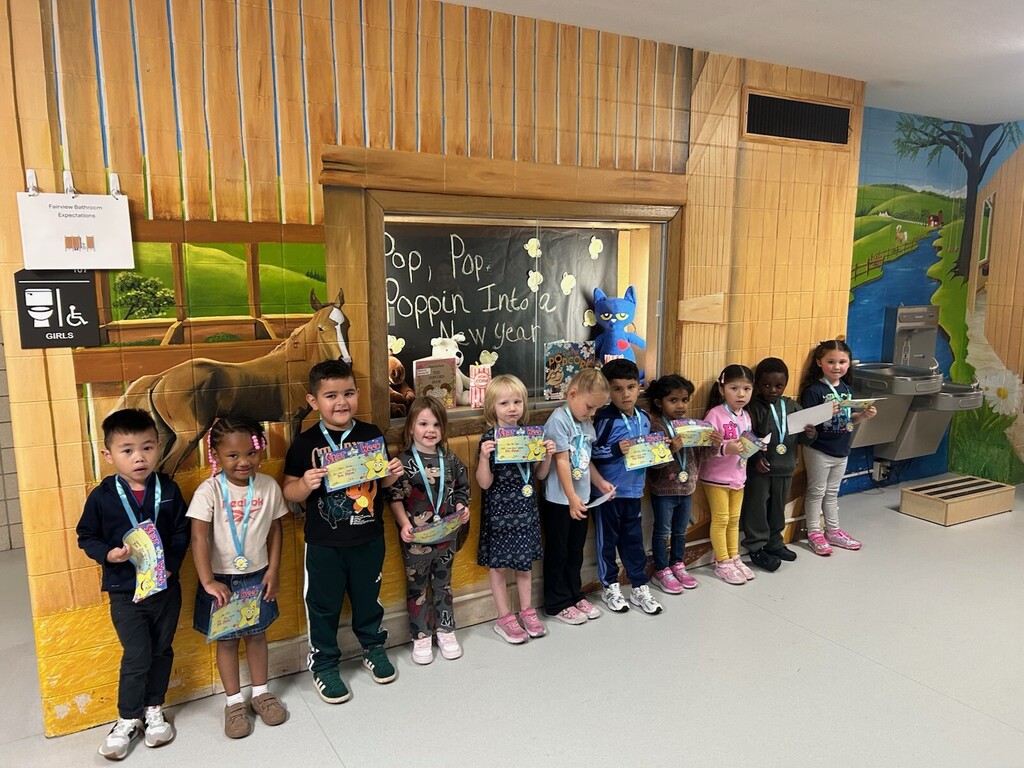
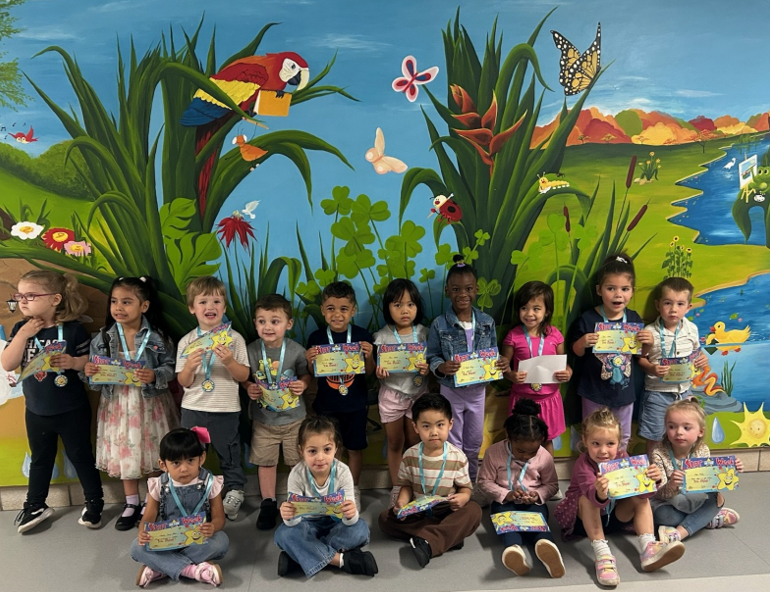
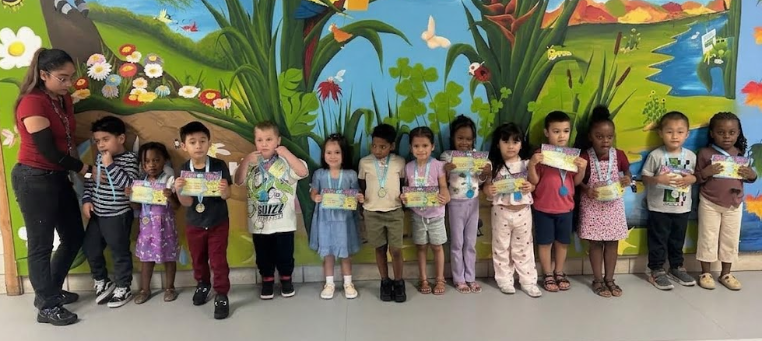
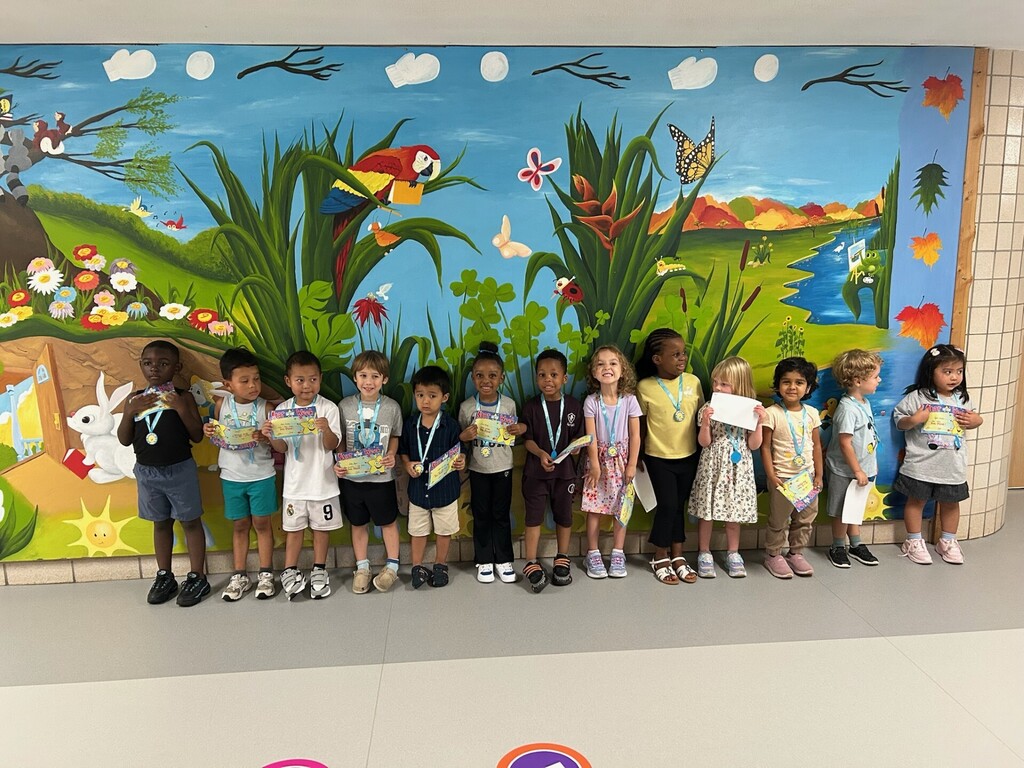
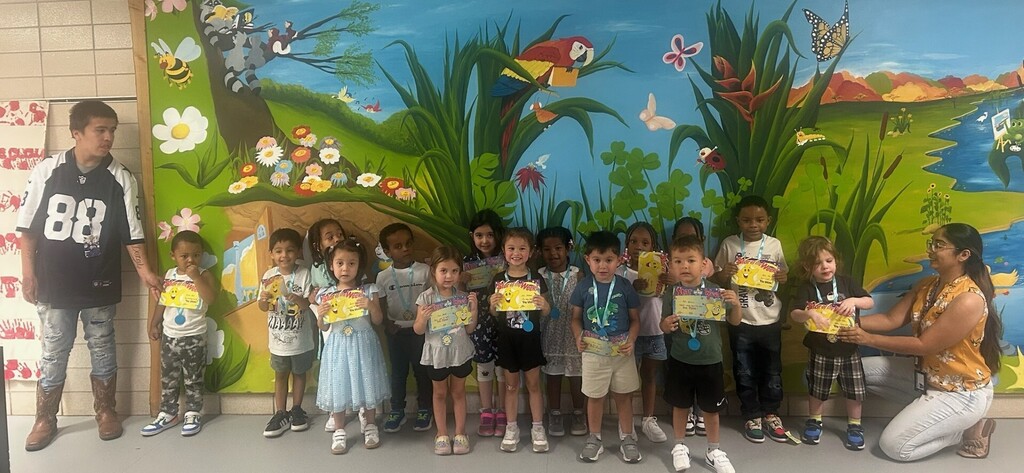
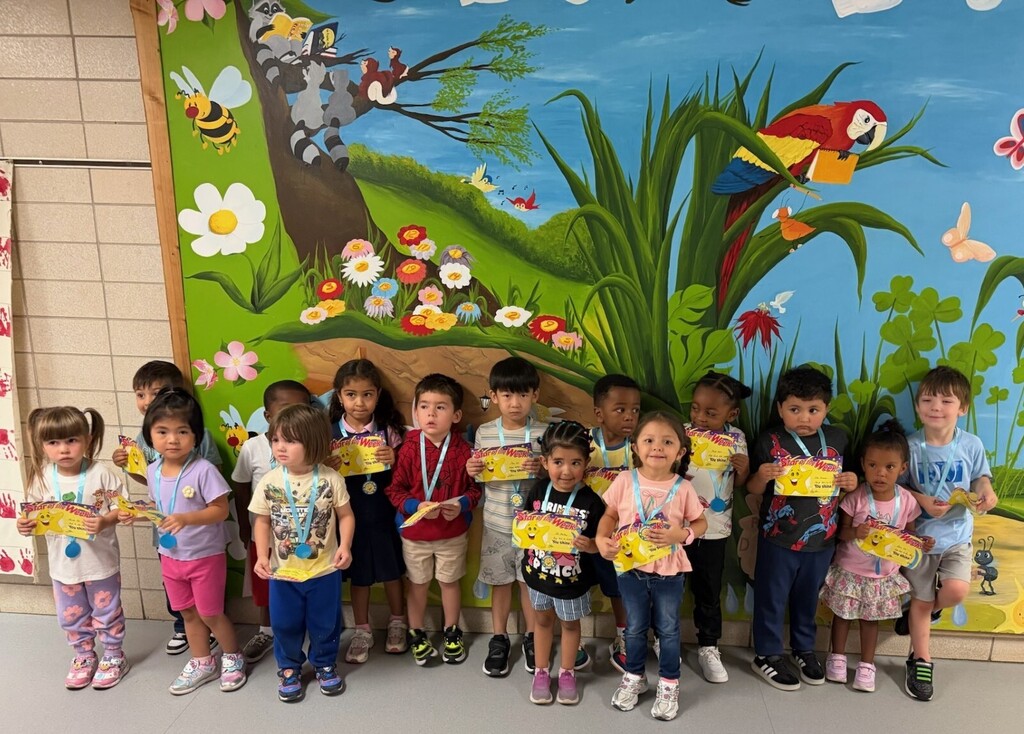
Congratulations to our students of the week for the week ending September 25. Students are recognized for being: respectful, responsible and safe.
When a student is struggling to attend school, there's often more to the story. Good attendance isn't just a school issue; it's a community effort. Families, schools & community partners all play a role in helping students overcome barriers & stay connected to learning. When a student is struggling to attend, the question isn't simply, “Why aren't you here?” It's also, “What is getting in the way, and how can we help?”
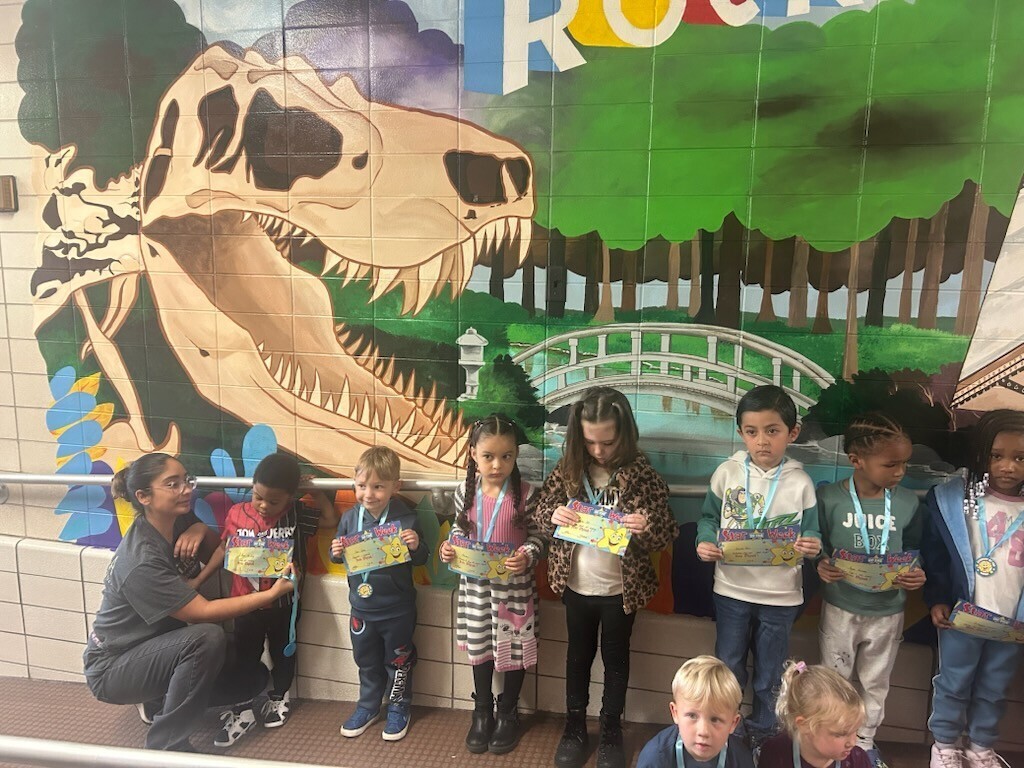
Congratulations to our students of the week for the week ending September 18. Students are recognized for being: respectful, responsible and safe.
Sometimes the smallest moments of connection give students a reason to keep showing up & can make a BIG difference.
Attendance is about more than being in a seat. It's about connection, belonging & knowing that your presence matters.
Every student deserves to know they are missed when they're gone and valued when they're here.
Attendance is about more than being in a seat. It's about connection, belonging & knowing that your presence matters.
Every student deserves to know they are missed when they're gone and valued when they're here.
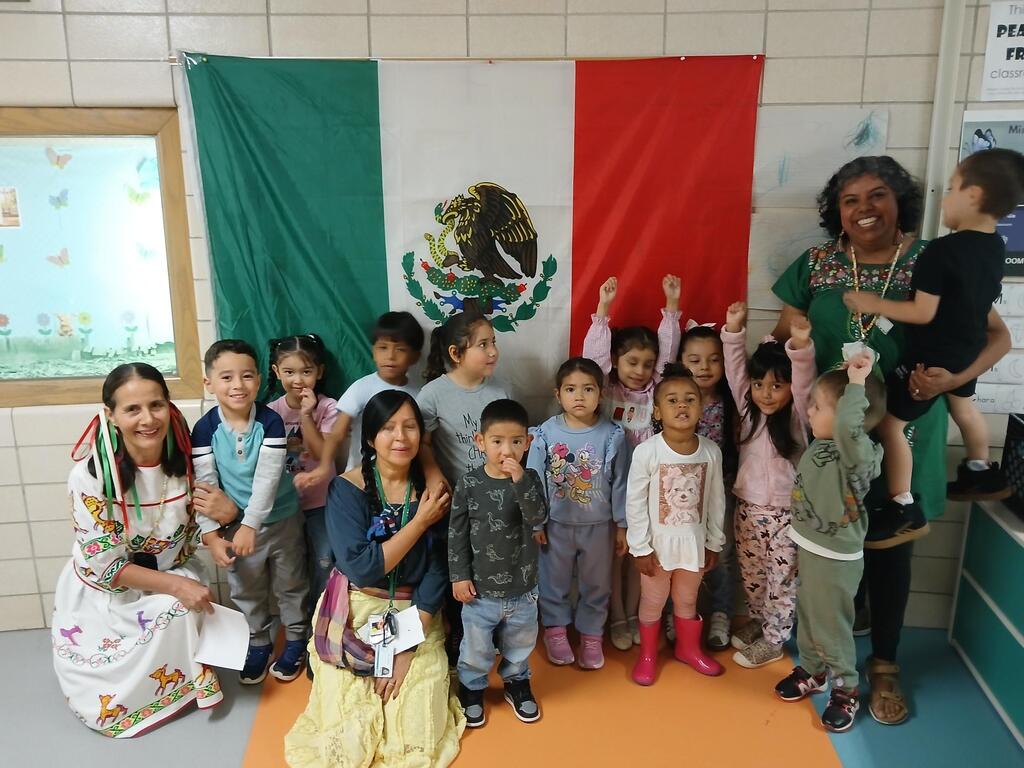
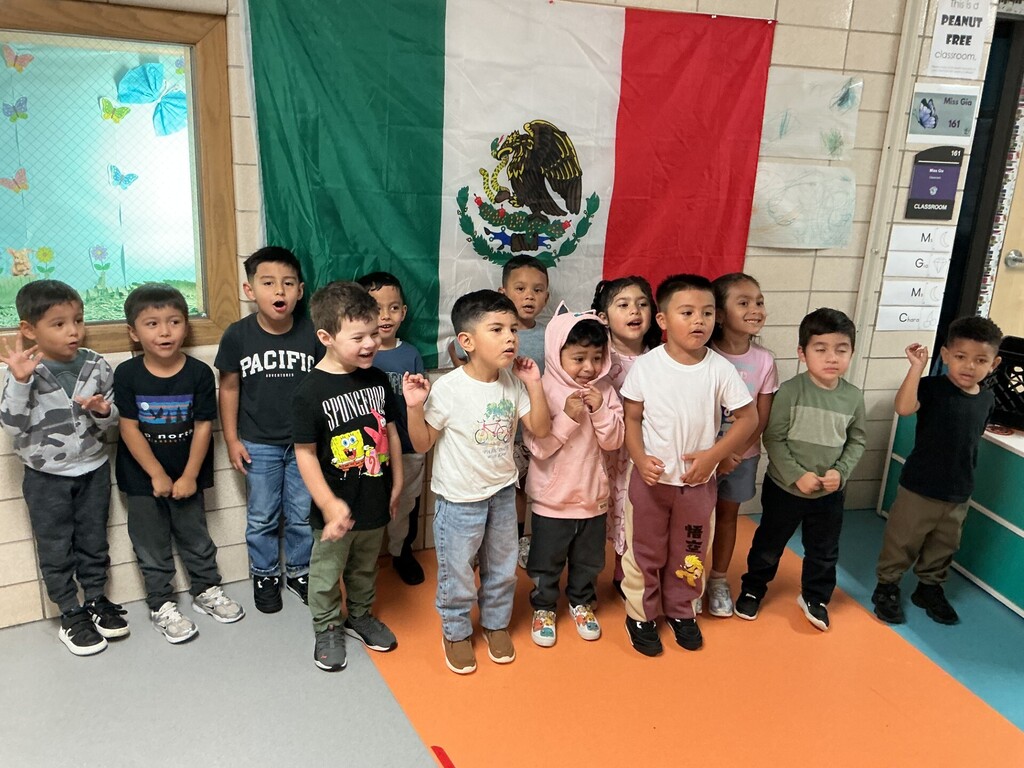
Students in Miss Balbina's class learned about Mexican Independence Day.
Apple for the Teacher Day! Golden Apple Foundation will deliver apples & nomination forms to teachers, kicking off nominations for the 2026-27 Golden Apple Award. Nominate a PreK-5 teacher by October 15! https://goldenappleofrockford.com/golden-apple-teacher-awards/nominate/

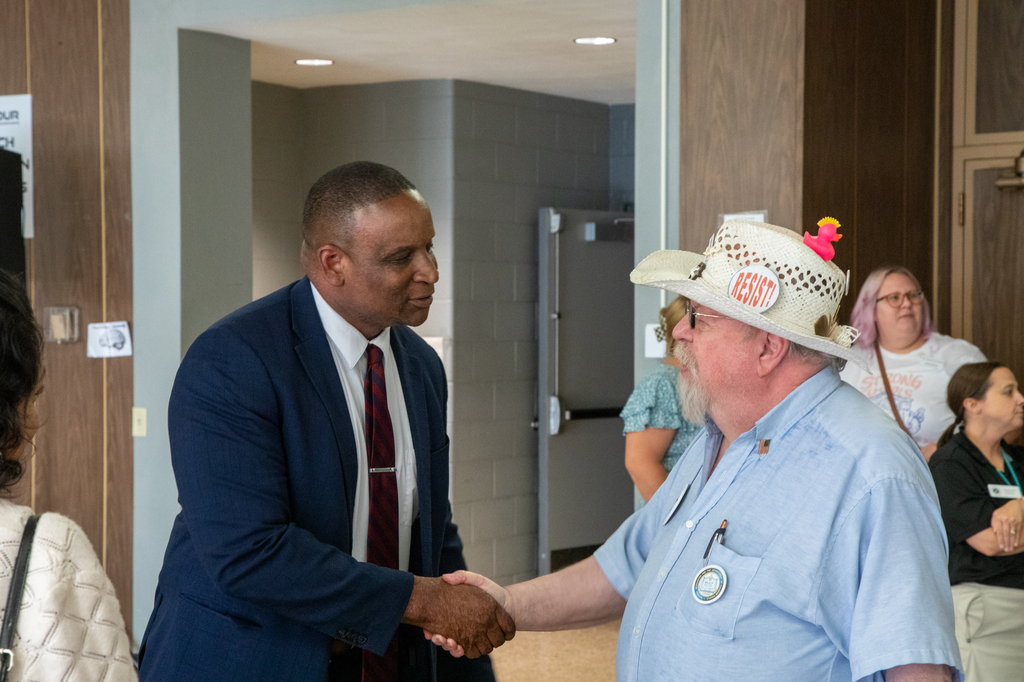
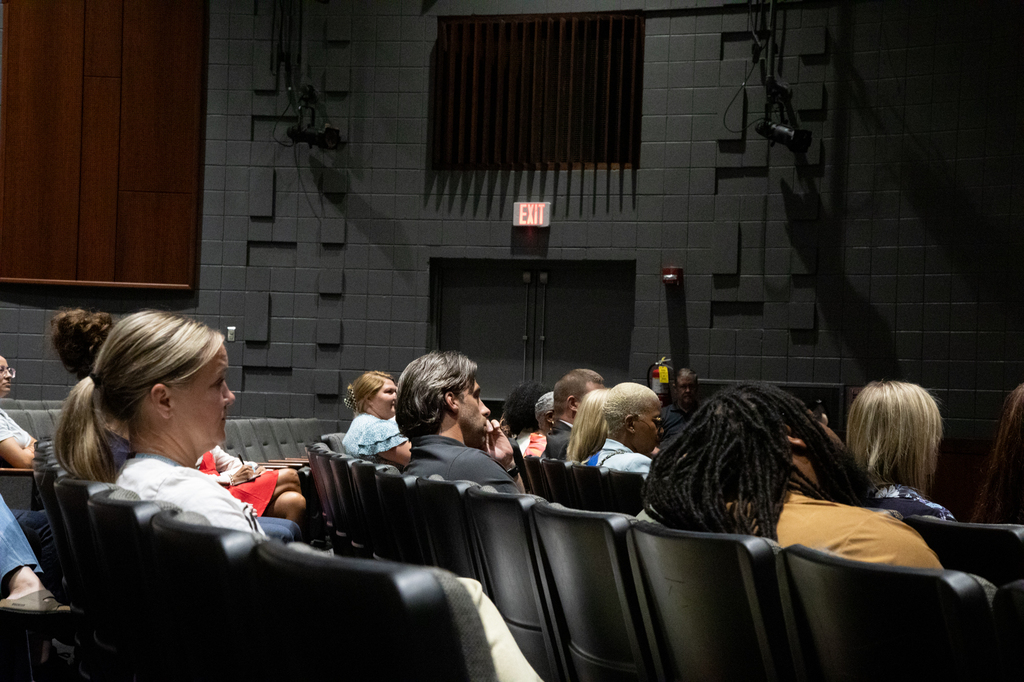
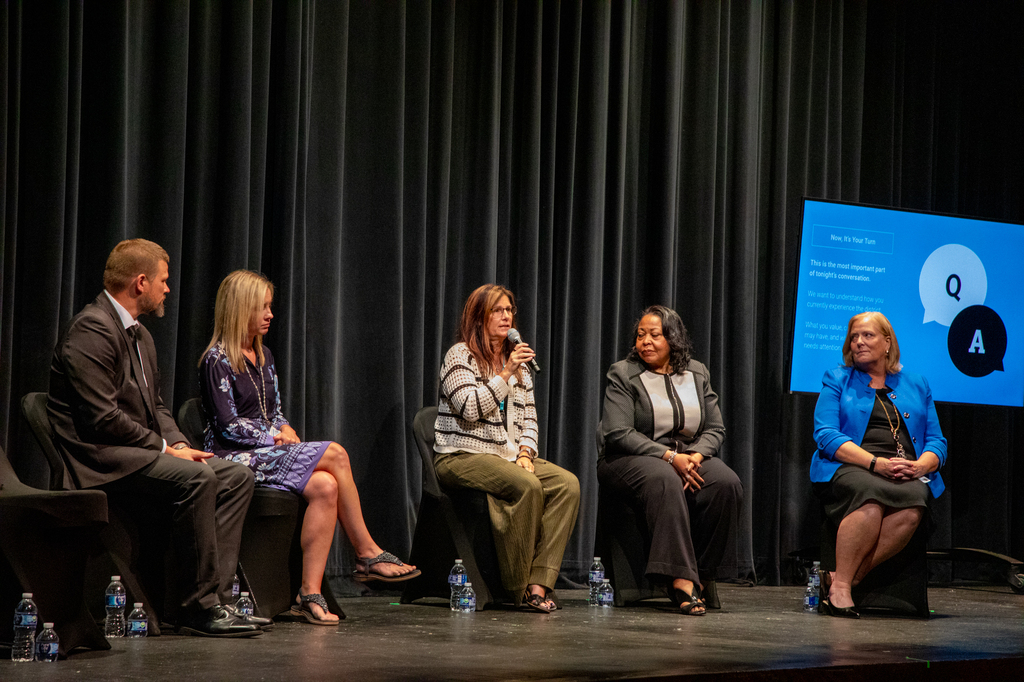
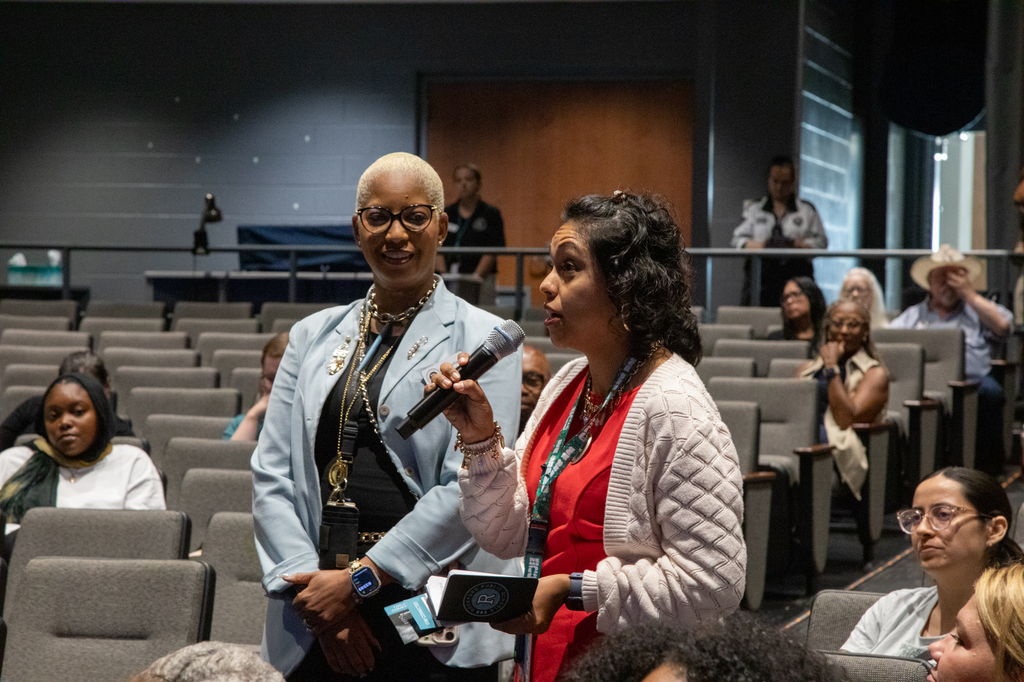
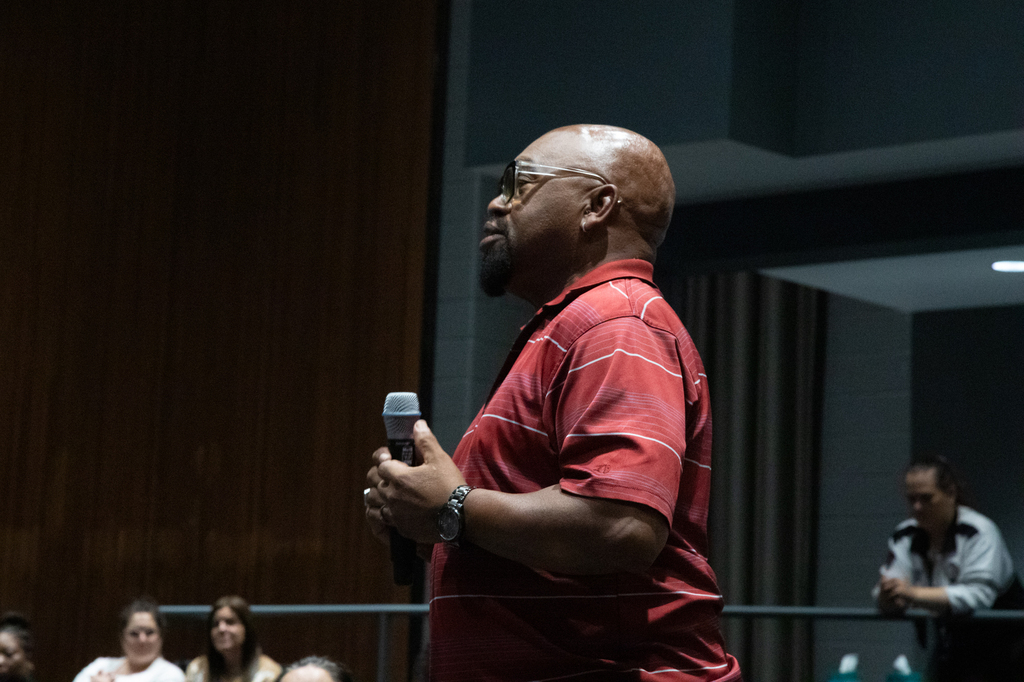
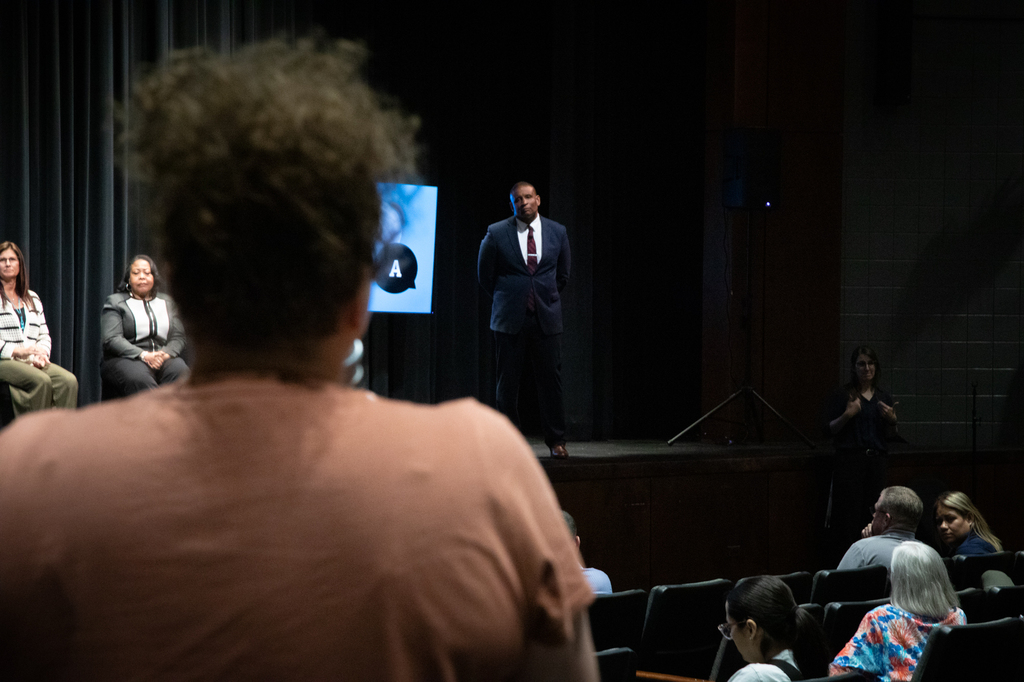
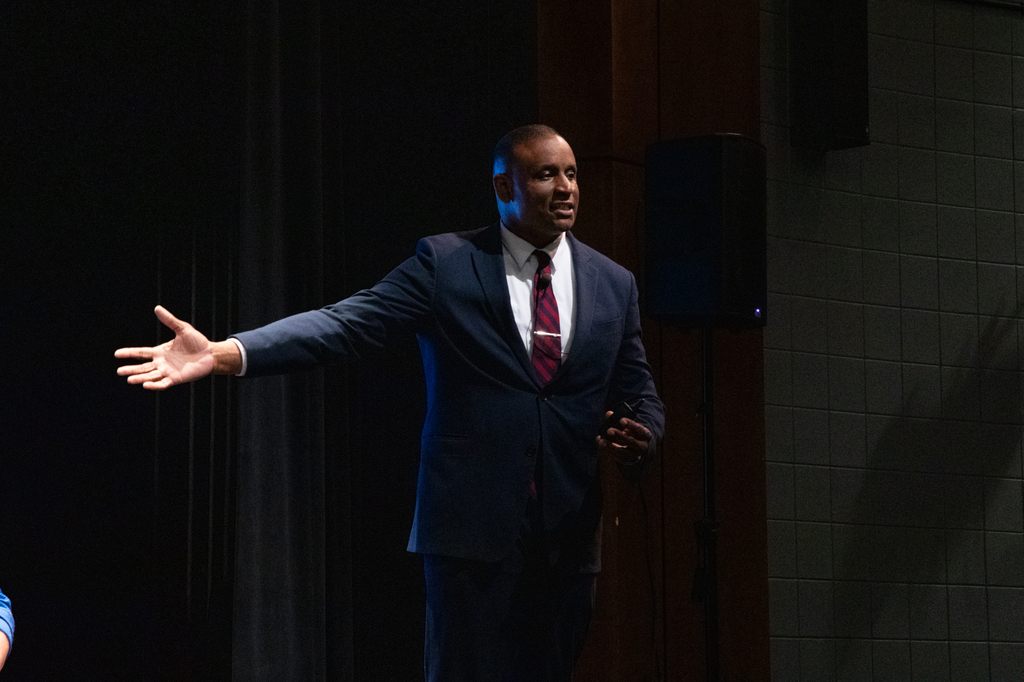
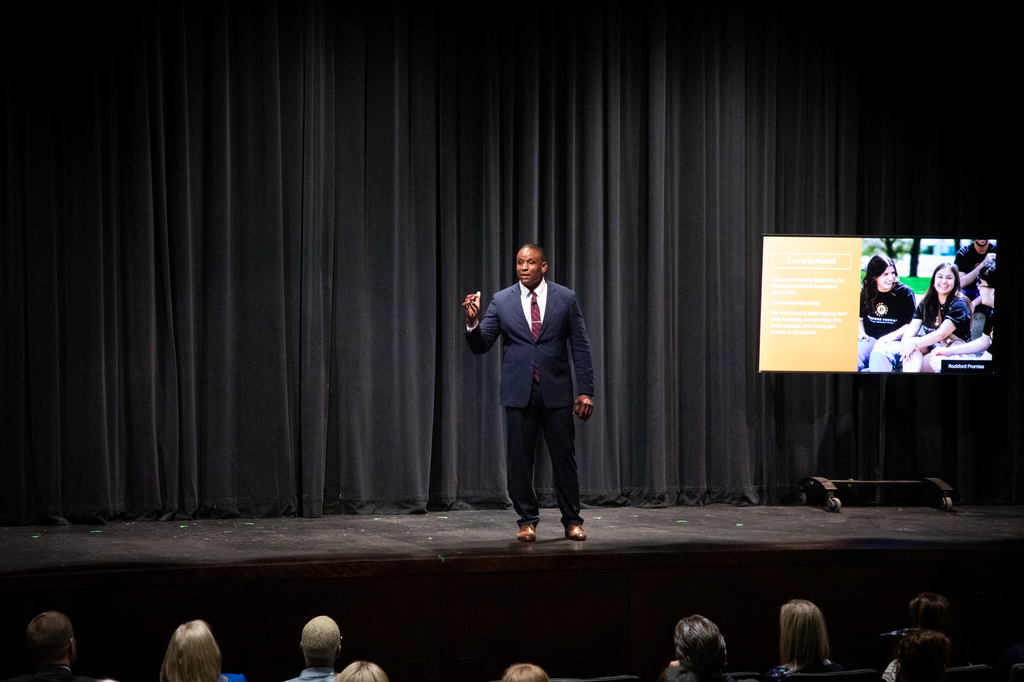
It’s happening today! Join us at East HS Cafeteria for A Conversation with Dr. Huff. Hear his vision for RPS 205 & share your ideas for the future of our district.
5-5:30 p.m. | Meet & Greet
5:30-7 p.m. | Presentation & Q&A
Enter Door FH8. Spanish & ASL translators available.
5-5:30 p.m. | Meet & Greet
5:30-7 p.m. | Presentation & Q&A
Enter Door FH8. Spanish & ASL translators available.

Congratulations to our students of the week for the week ending September 11. Students are recognized for being: respectful, responsible and safe.
Absences Add Up
Did you know? Missing just two days of school each month can add up to chronic absence over the course of a school year.
Every absence, excused or unexcused, means time away from learning, relationships and the routines that help students succeed.
The good news? It’s never too late to build stronger attendance habits. If getting to school regularly is becoming difficult, reach out to your school. We’re here to help!
Did you know? Missing just two days of school each month can add up to chronic absence over the course of a school year.
Every absence, excused or unexcused, means time away from learning, relationships and the routines that help students succeed.
The good news? It’s never too late to build stronger attendance habits. If getting to school regularly is becoming difficult, reach out to your school. We’re here to help!

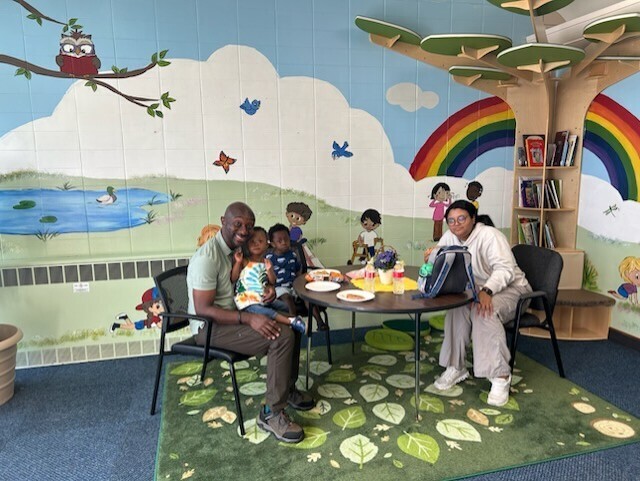
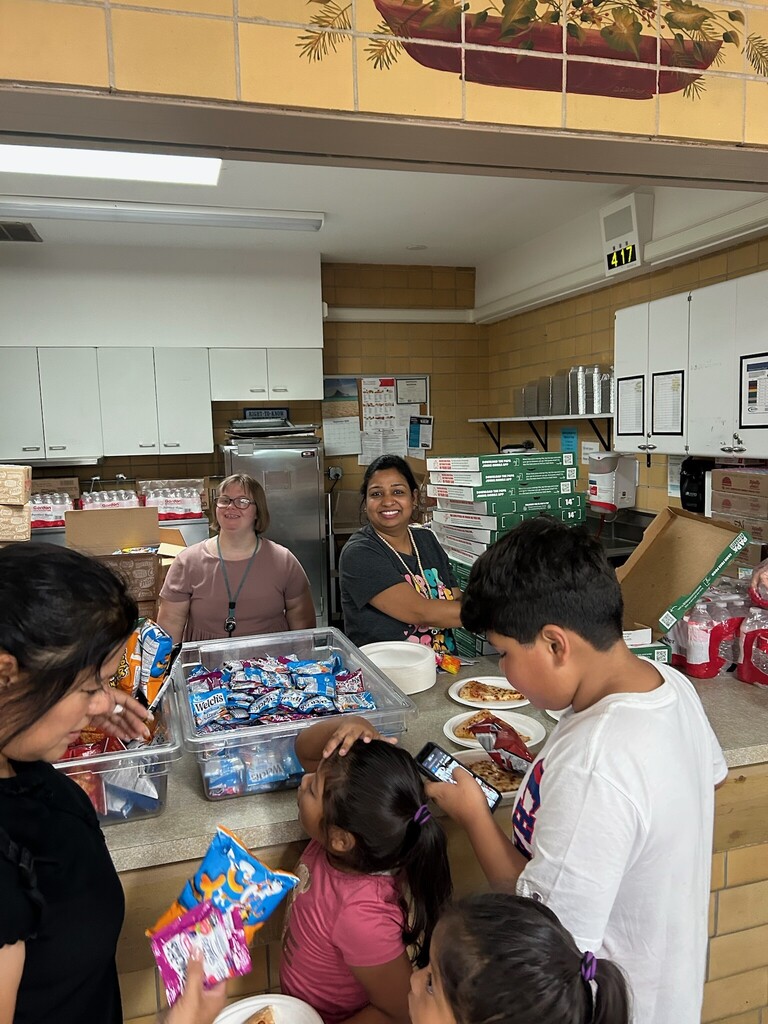
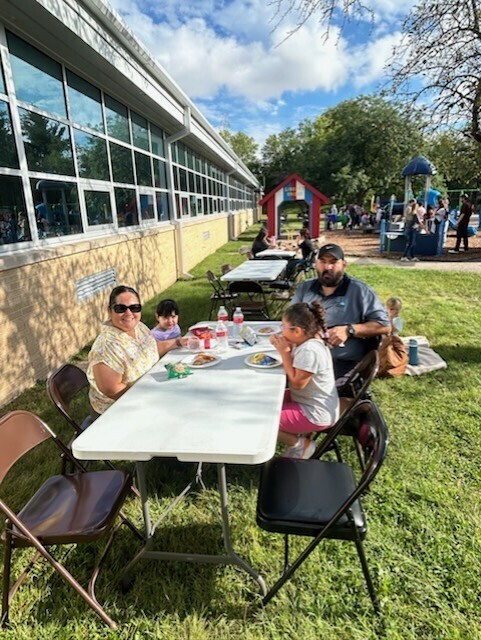
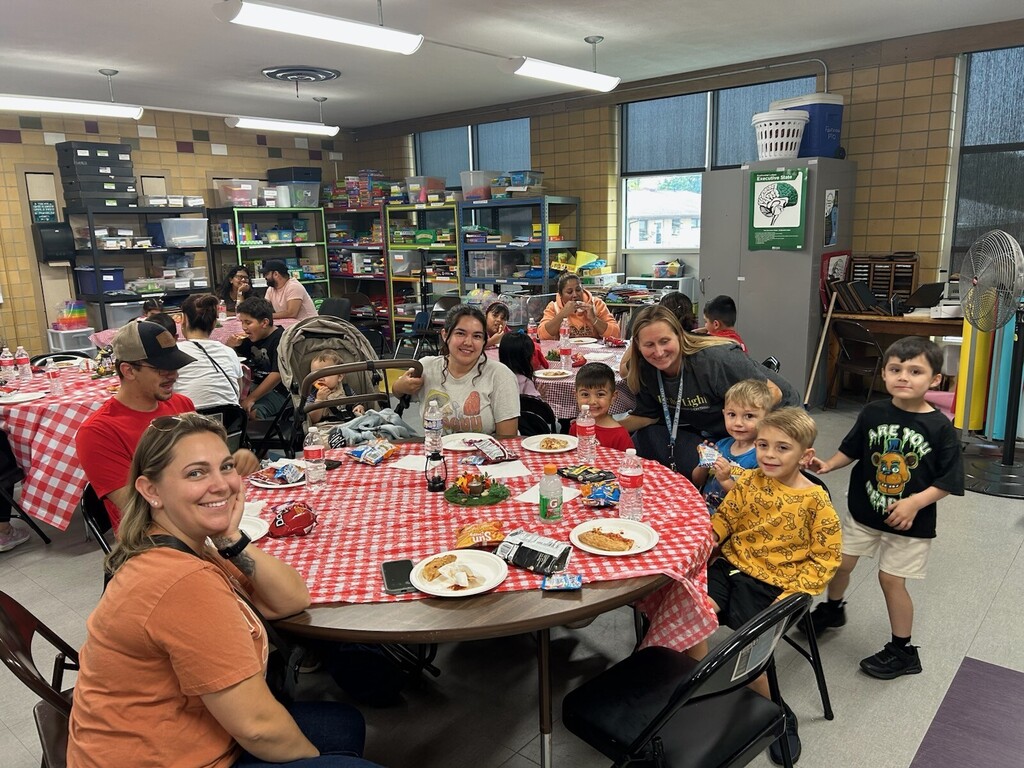
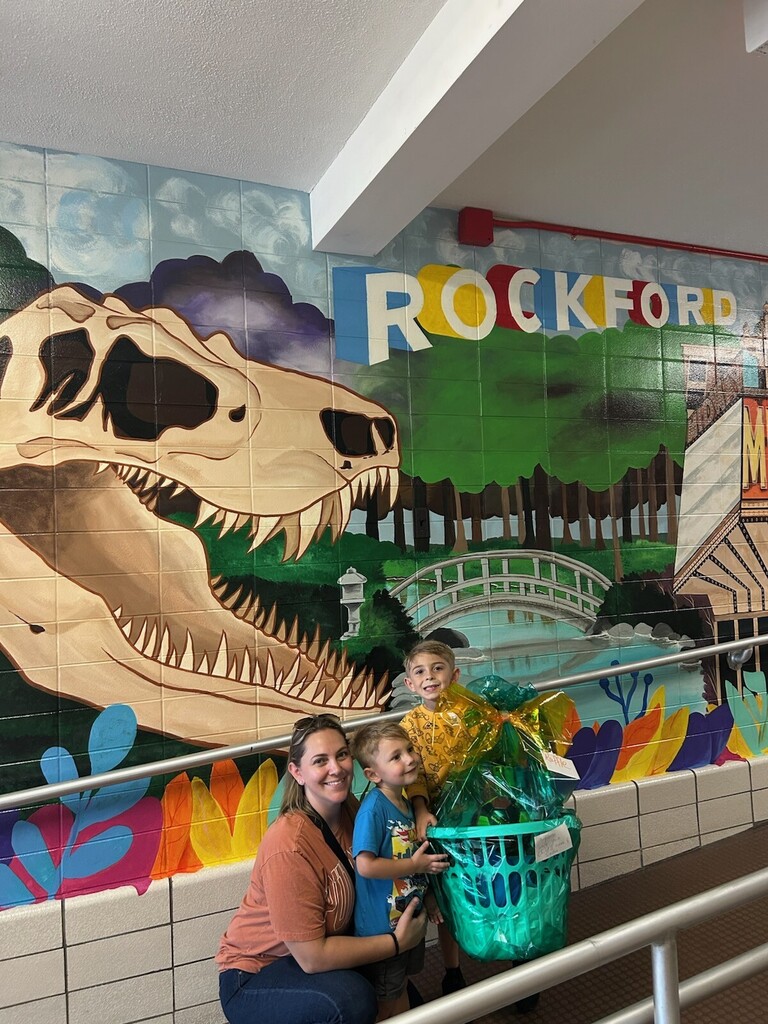
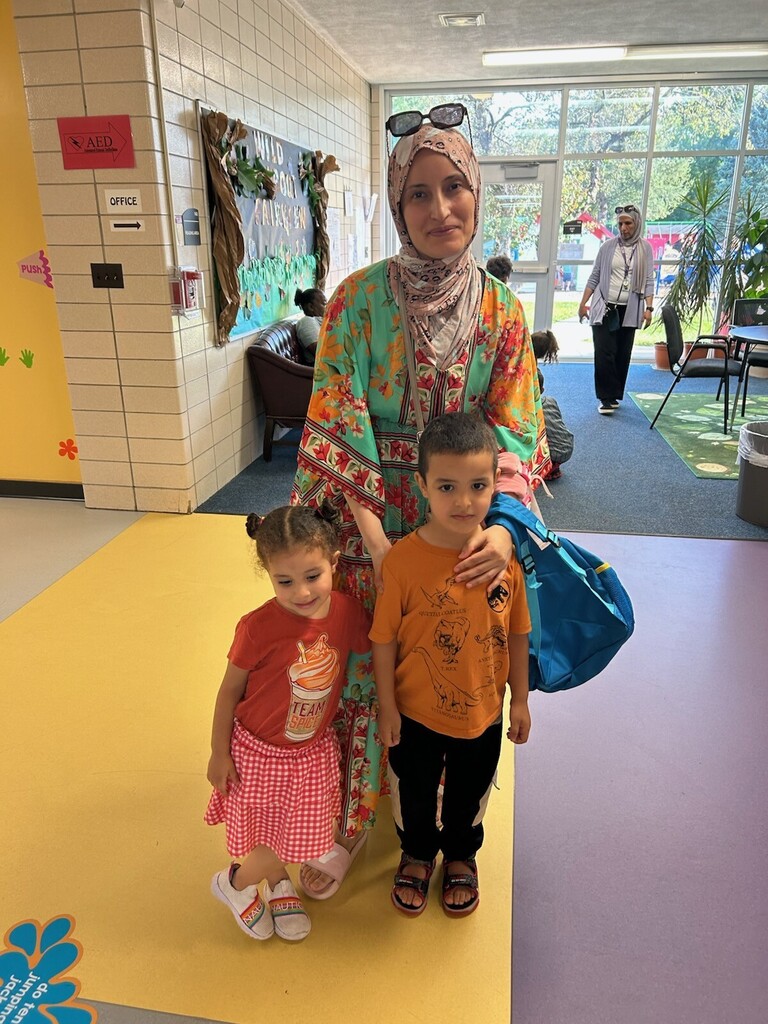
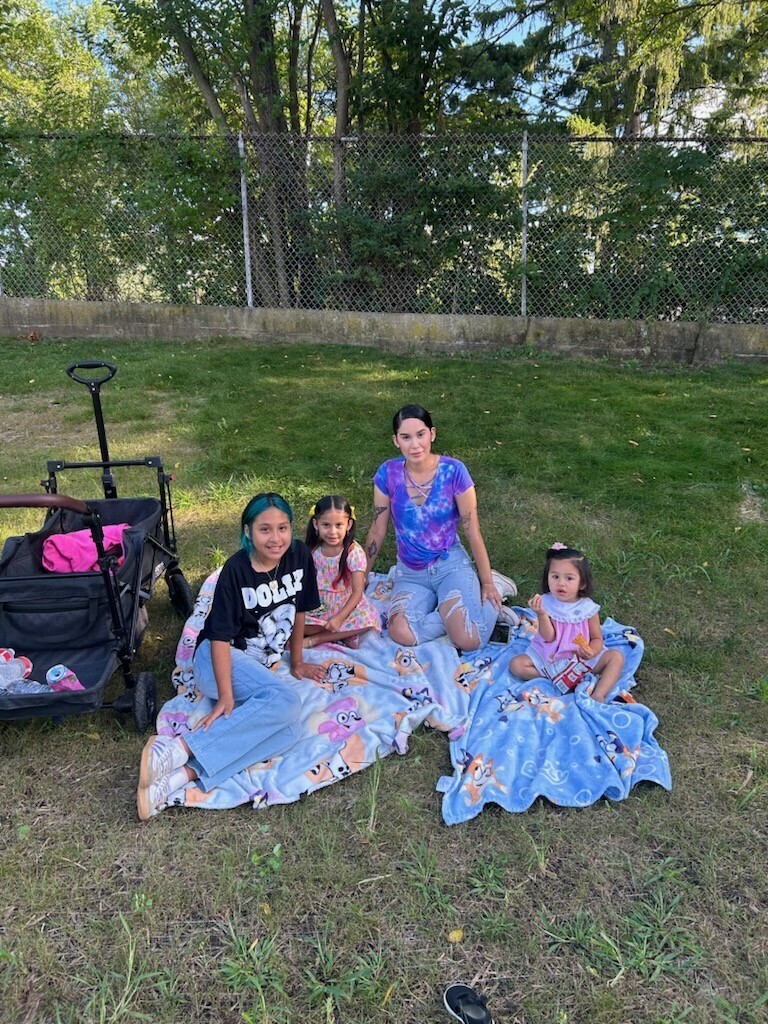
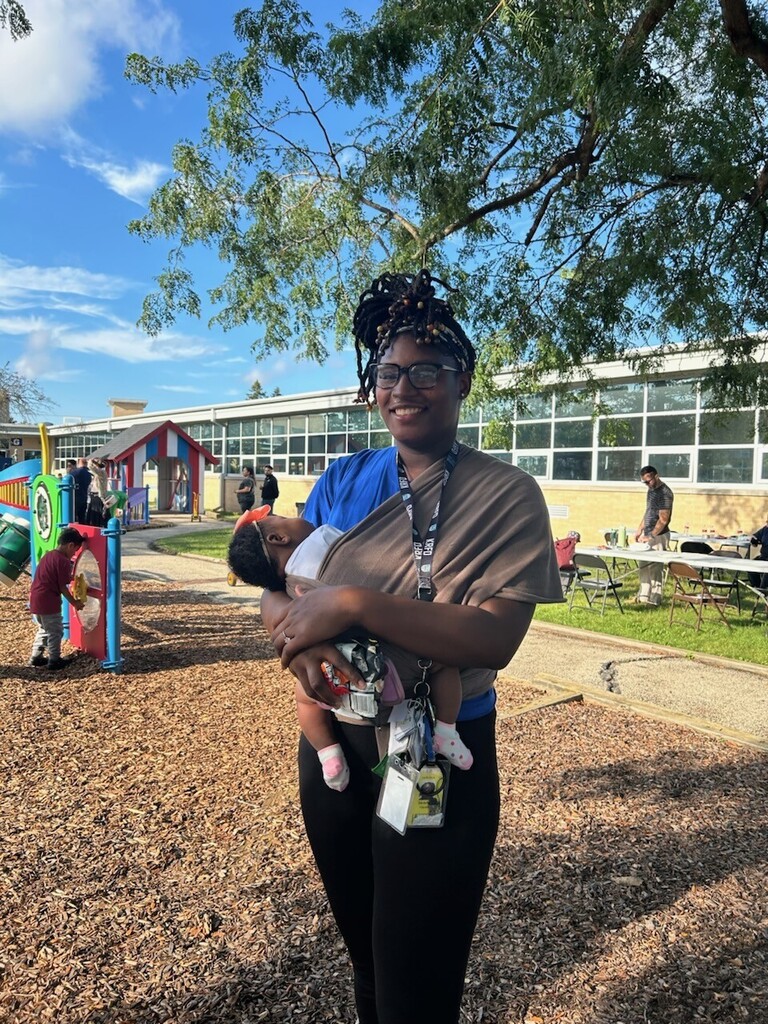
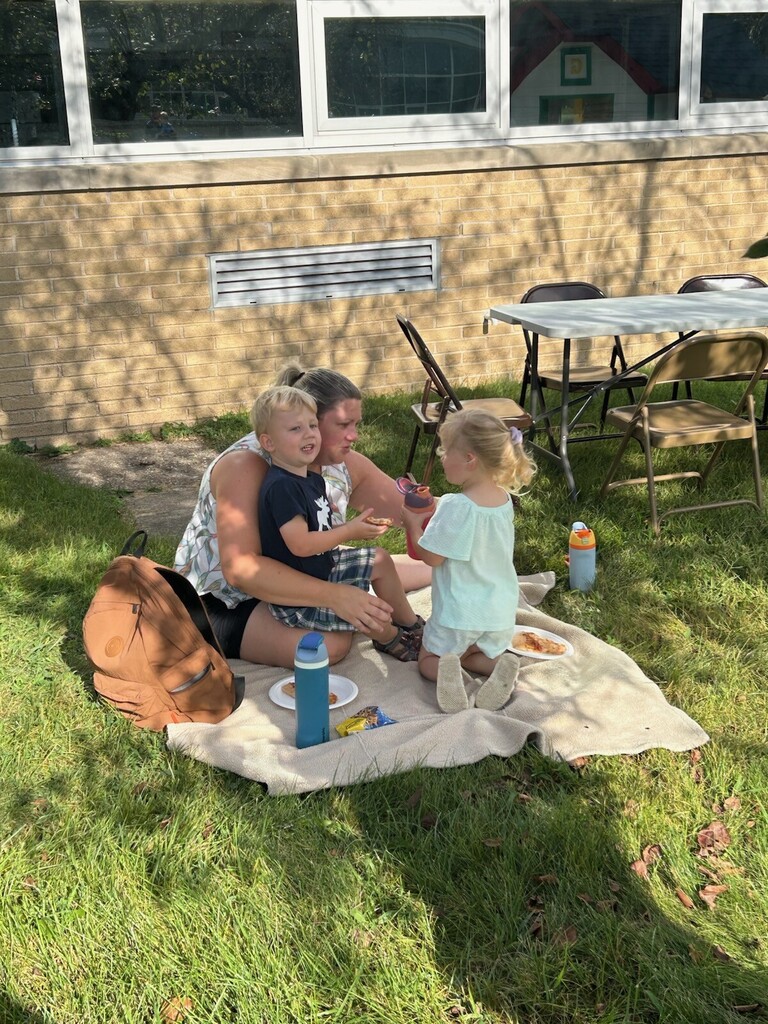
Thank you to our families, PTO and staff for coming out tonight to our annual Back to School Picnic and a special thank you to Papa Johns!
All RPS 205 schools & buildings are closed today in observance of the federal holiday.

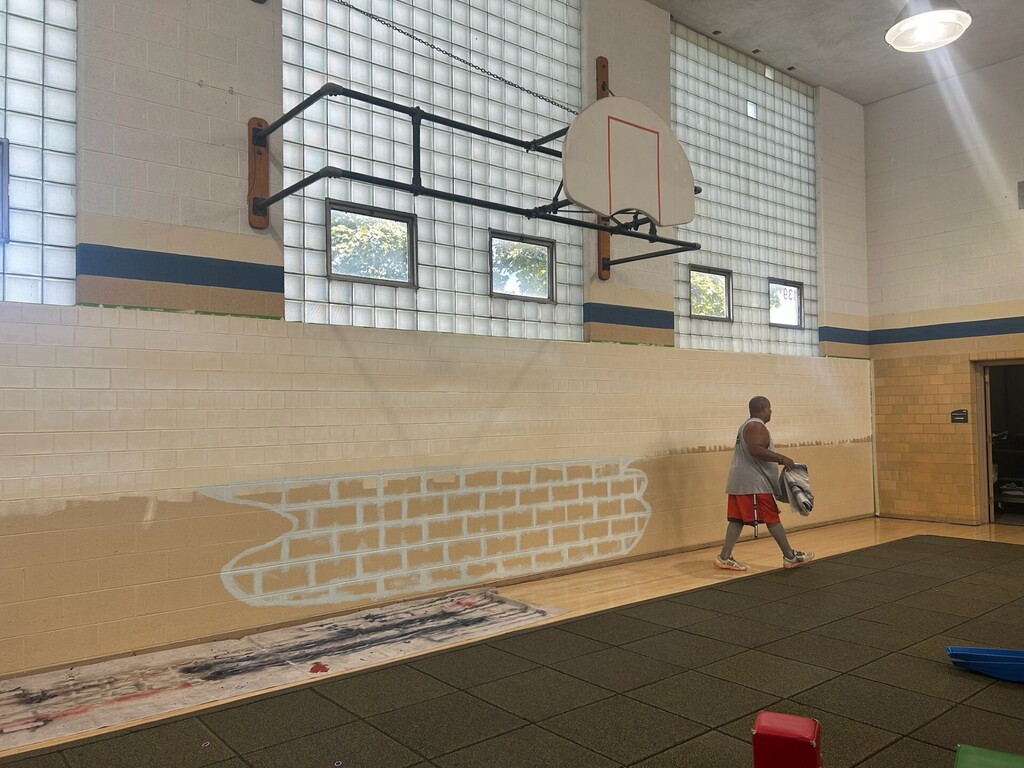
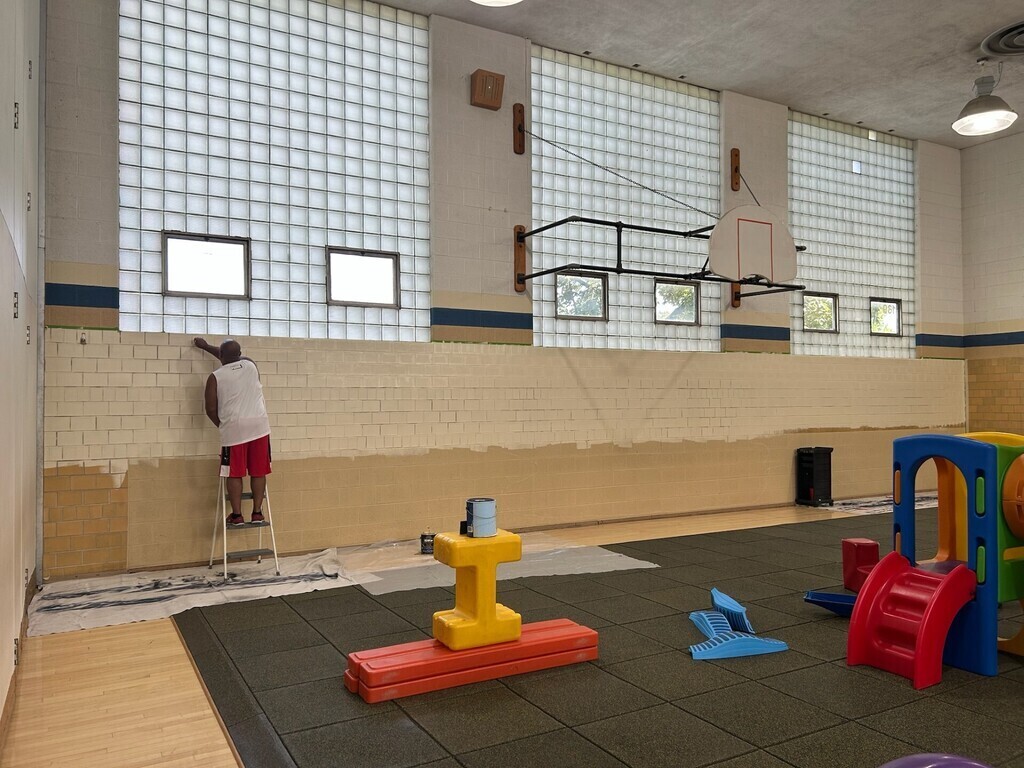
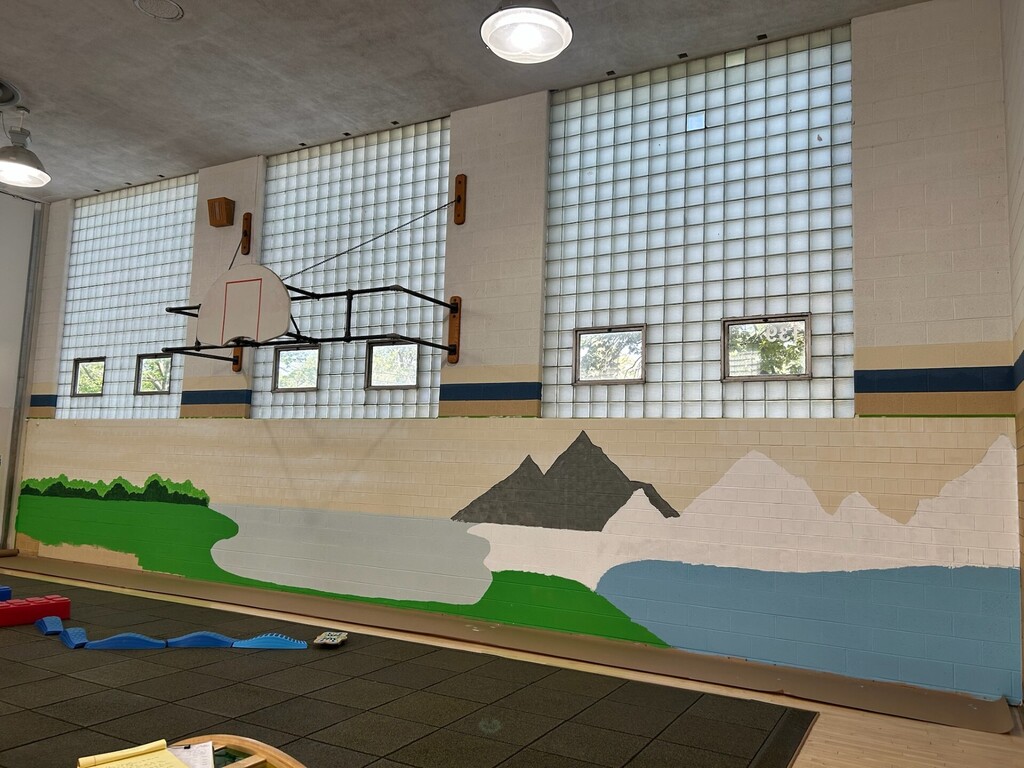
Fairview is adding a new mural featuring animals found all over the world painted by artist and bus driver Oz Taylor. This is Oz's fourth mural he has painted at Fairview.
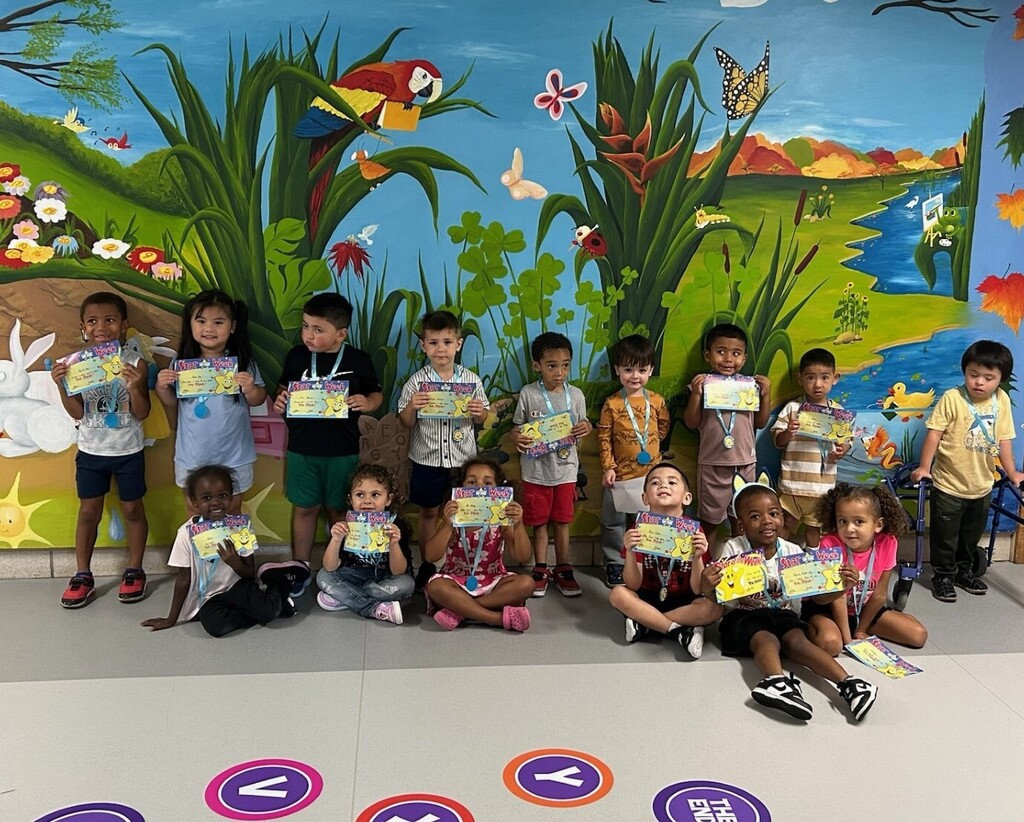
Congratulations to our students of the week! Students are recognized for being: respectful, responsible and safe.
September is Attendance Awareness Month! Every day at school gives students opportunities to learn, build friendships, connect with caring adults & discover what they're capable of. Throughout the month, we’ll be sharing why attendance matters because every student brings something important to our schools.
Join us Wed., Sept. 16, at East High School's Cafeteria for A Conversation with Dr. Huff. Hear his vision for our district.
5-5:30 p.m. | Meet & Greet
5:30-7 p.m. | Presentation & Q&A
Enter Door FH8 on the west side of the building.
Spanish & ASL translators available
rps205.com/page/a-conversation-with-dr-huff
5-5:30 p.m. | Meet & Greet
5:30-7 p.m. | Presentation & Q&A
Enter Door FH8 on the west side of the building.
Spanish & ASL translators available
rps205.com/page/a-conversation-with-dr-huff

Congratulations to our students of the week for the week ending August 28! Students are recognized for being: respectful, responsible and safe.
Meet RPS 205's Superintendent Dr. Larry Huff! Hear his vision for our district, & share ideas at A Conversation with Dr. Huff on Wednesday, September 16, from 5-7 p.m. at East High School.
Meet & Greet 5-5:30
Presentation, Q&A 5:30-7
The event is free & open to the public.
Meet & Greet 5-5:30
Presentation, Q&A 5:30-7
The event is free & open to the public.


Fairview is adding a new mural! Artist and bus driver Ozell "Oz" Taylor the III is painting an animal mural in the climbing gym. Check back for updates!